Technology is no longer simply transforming industries. It is reshaping how companies, policymakers and investors think about growth, competitiveness and long-term value creation. From electric aviation and robotics to healthcare innovation and water infrastructure, leaders across sectors are adapting to rapid technological change amid shifting geopolitical and market dynamics.
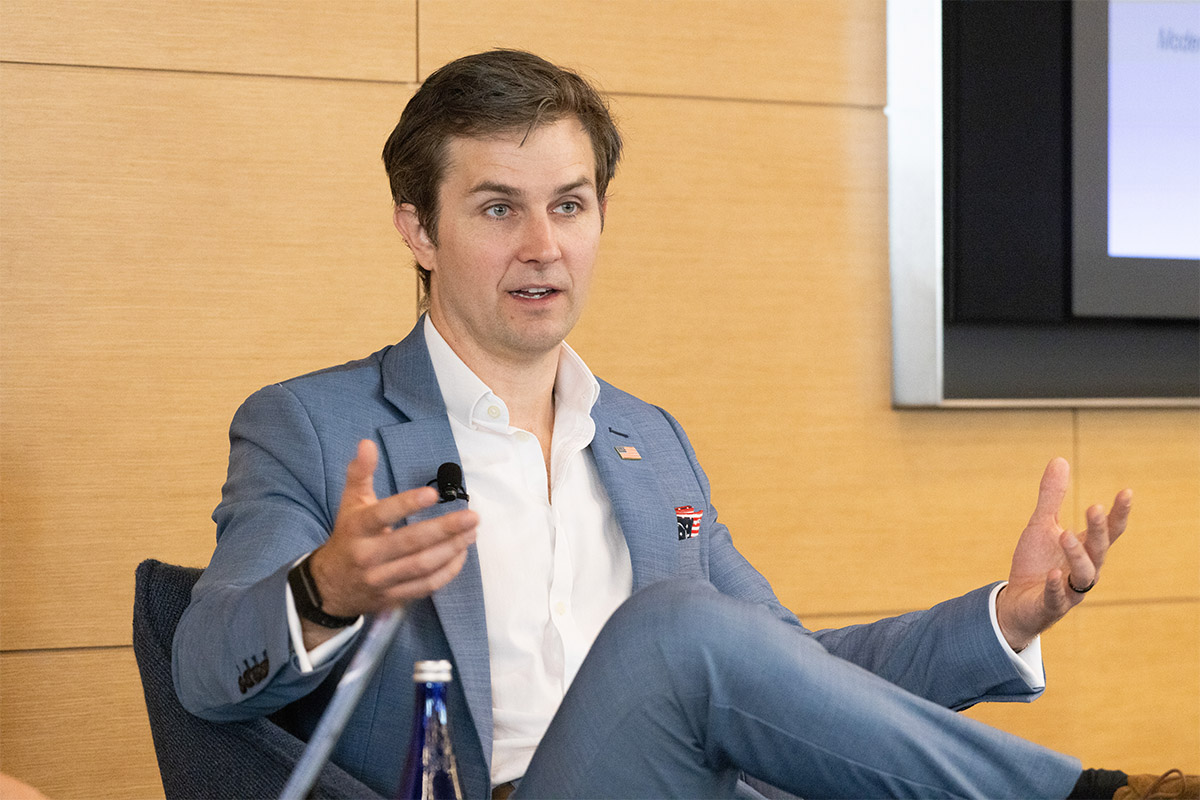
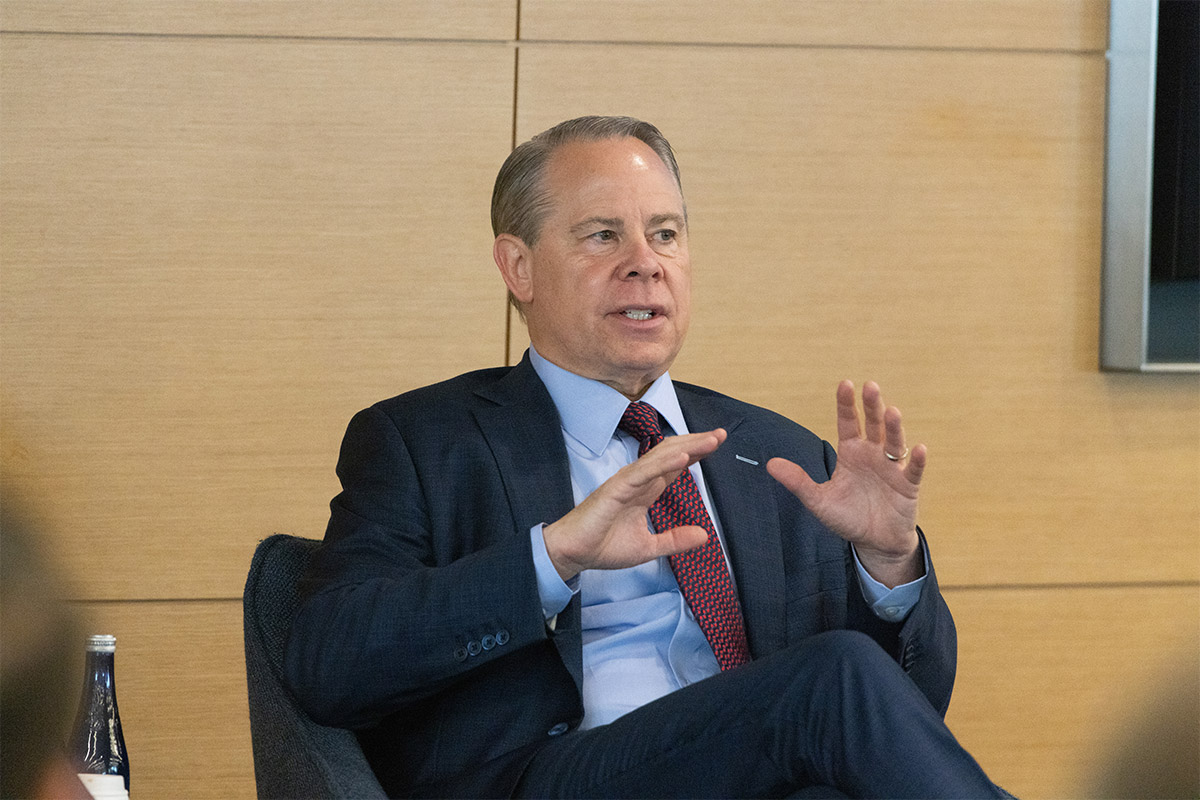
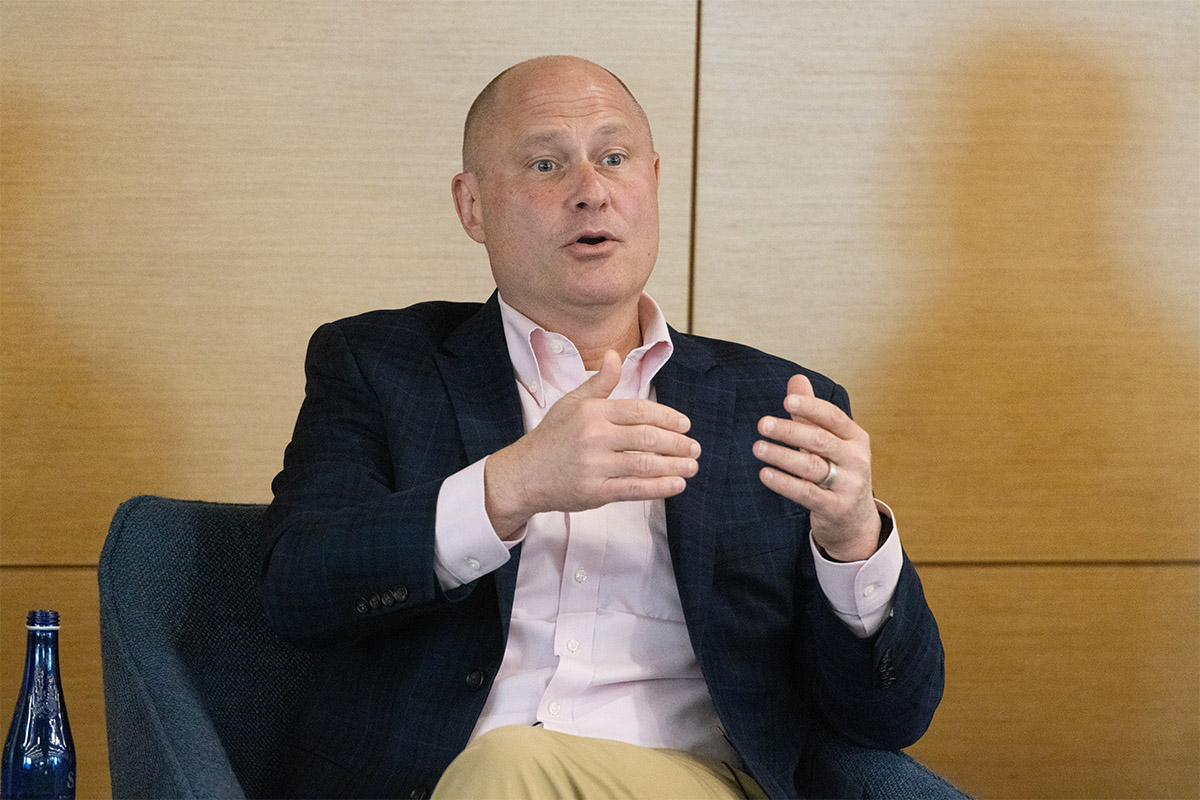
Those themes were at the center of discussions during Morgan Stanley’s 2026 Innovation & Impact Summit, where executives and investors examined how innovation is redefining sectors, markets and economies.
“Over the years, innovation and sustainability have increasingly become central drivers of capital allocation, corporate strategy and economic competitiveness,” said Jessica Alsford, Morgan Stanley Chief Sustainability Officer and Co-Head of the Morgan Stanley Institute. “What has not changed is our approach: We remain client-driven, focused on providing clear, data-driven perspectives and on bringing together the full capabilities of Morgan Stanley to help our clients navigate complexity and identify opportunity."
Here are some of the key areas undergoing transformation that were discussed at the Summit.
Robotics Could Help Revive U.S. Manufacturing
As artificial intelligence increasingly moves from software into the physical world, robotics applications are becoming more visible in daily life: making deliveries, moving items in factories or cleaning homes.
At the same time, the U.S. faces a strategic challenge: Most robots used within its borders are manufactured overseas, creating potential economic and national security vulnerabilities. China, which has prioritized robotics and humanoid development for years, continues to lead the sector. By 2024, the country accounted for 54% of the world’s new industrial robot installations. Last year, roughly 90% of humanoid robots shipped globally came from China, according to Morgan Stanley Research.